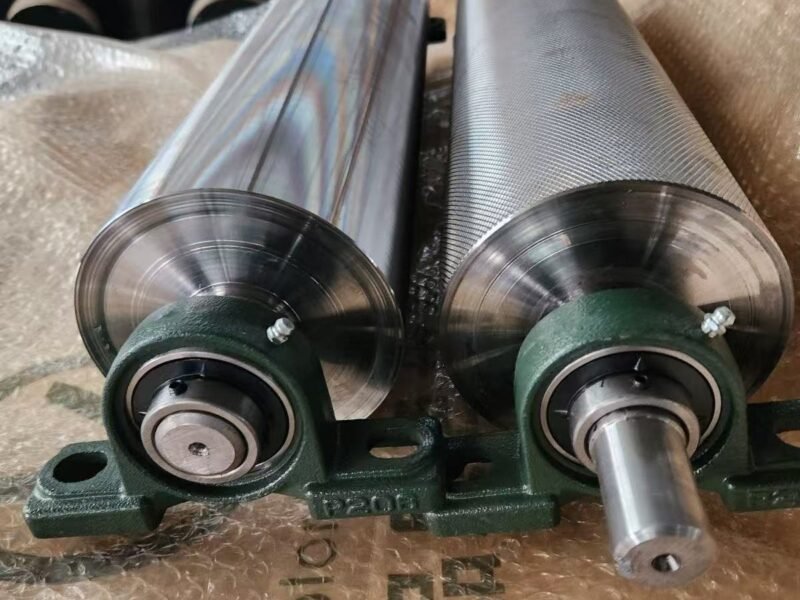
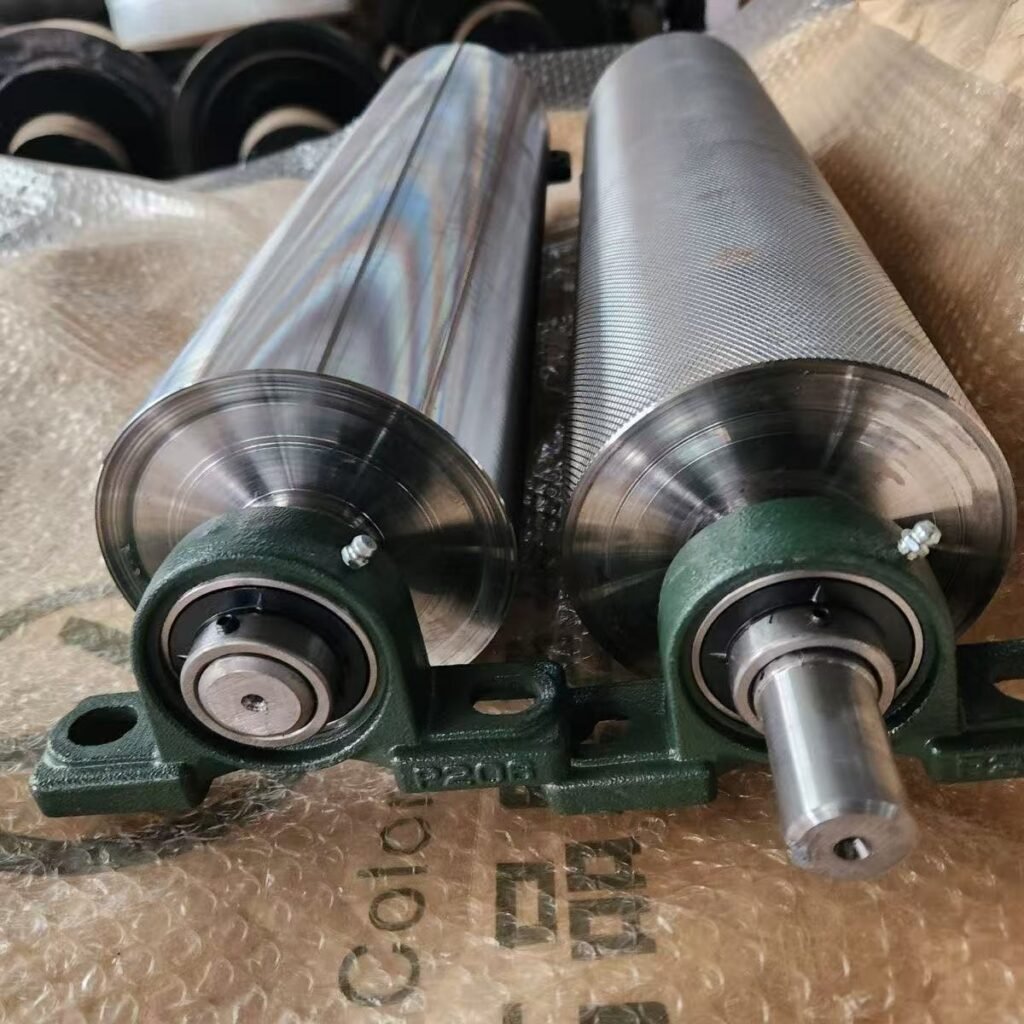
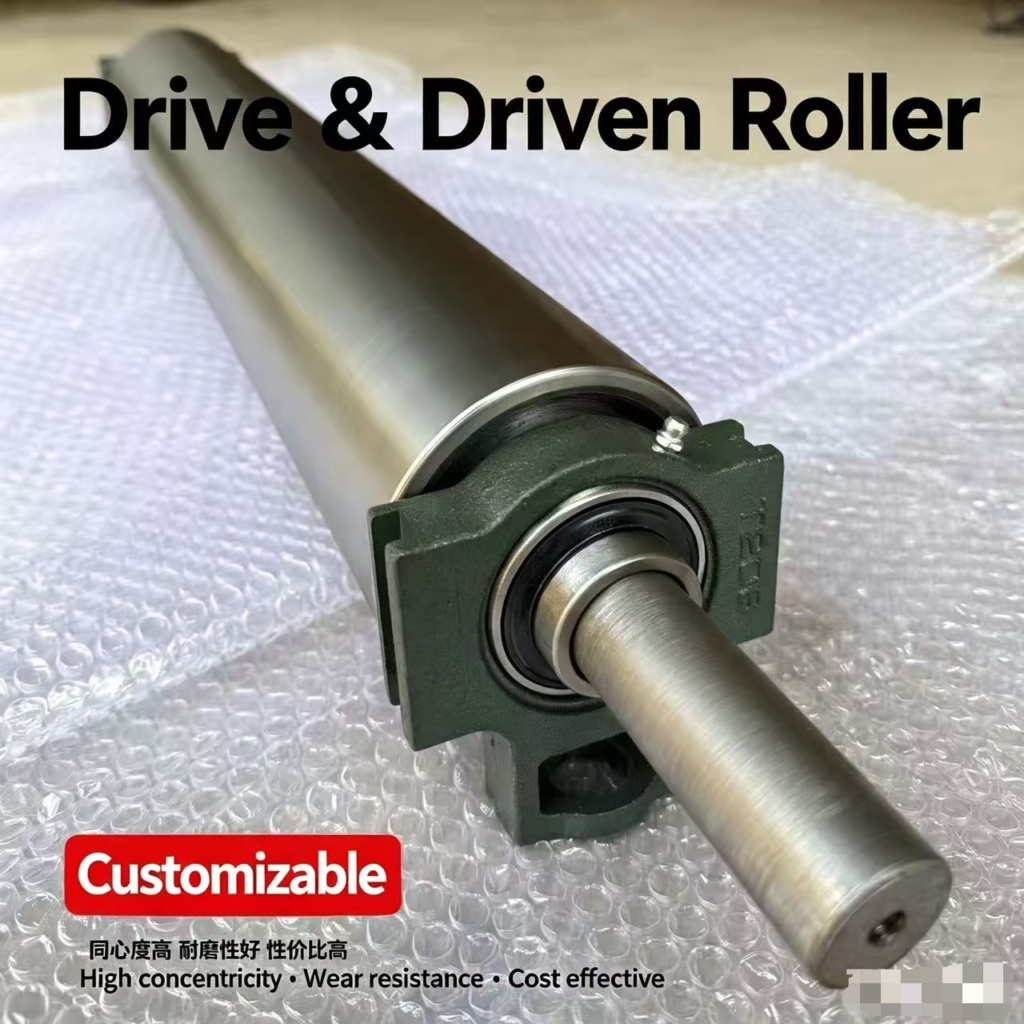
These are rollers used to support the belt and load, prevent sagging, align the belt, and clear up carryback along the length of the belt (material left sticking on to the belt).
Idler rollers can perform any one of the aforementioned tasks or all of them, but they will always support the belt in whatever environment.
The following is a list of the various idler roller types available for various purposes:
How to quickly clarify your needs :
No.
Parameter Item
Customer’s Input
Remarks
1
Roller Type
□ Drive Roller □ Driven Roller
Required
2
Tube Outer Diameter
____ mm
Required
3
Effective Tube Length (Face Length)
____ mm
Required
4
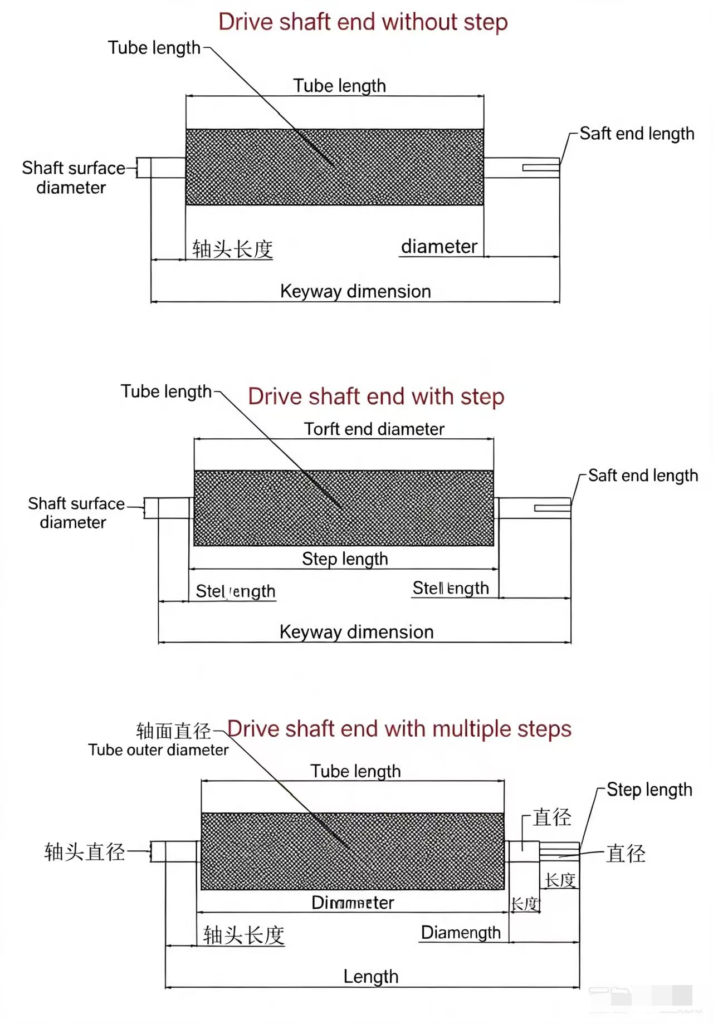
Total Shaft Overall Length
____ mm
Required
5
Shaft End Diameter
Drive end: ____ mm / Non‑drive end: ____ mm
Required
6
Shaft Shoulder Structure
□ No shoulder □ Single shoulder □ Multiple shoulders
Required If with shoulder: Shoulder Diameter: ____ mm, Shoulder Length: ____ mm
7
Keyway
□ Without keyway □ With keyway
Required If with keyway: Width: ____ mm, Depth: ____ mm
8
Bearing Housing
□ Required □ Not required
Optional If required, please specify housing model: ____
9
Tube Material
□ Seamless steel tube □ SS304 □ Others: ____
Optional
10
Surface Finish
□ Bare metal □ Rubber‑coated
Optional If rubber‑coated: Rubber thickness: ____ mm, Rubber material: ____
11
Working Condition
Material to convey: ____ Belt speed: ____ m/s Approximate load: ____ Environment: □ Normal □ Damp □ Dusty